
The Aluminium Fuel Project
The path to transition the maritime sector into a carbon-free future.
The Basics
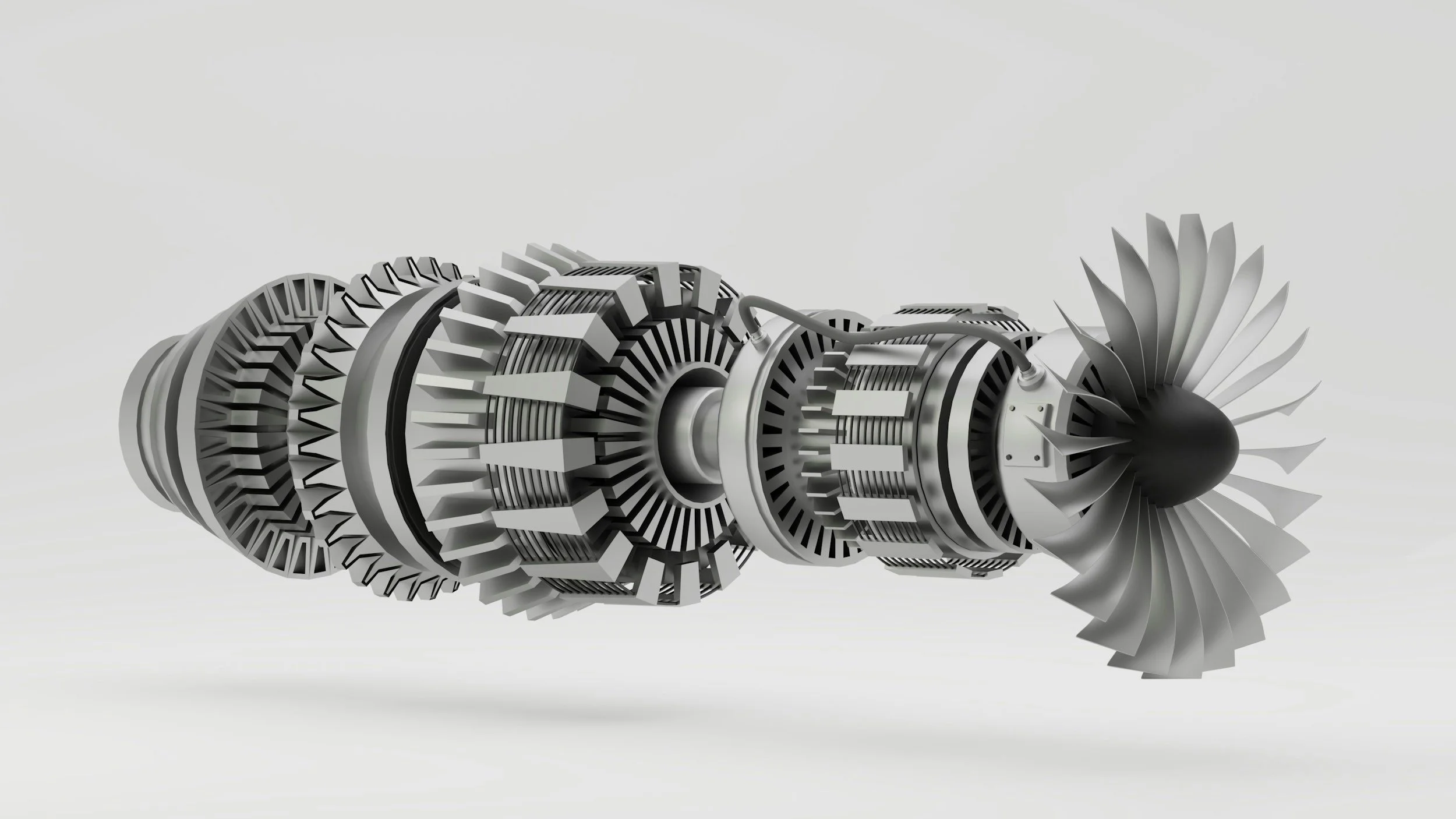
This project intends to replace conventional fuels (i.e. oil) used in marine vessels with a fuel based on Aluminium metal, in powdered form. This would serve as a sustainable alternative that is superior in many ways to the popular electrofuels being pursued by the industry. It will proceed with robust research into:
the development of a new engine
the economics of fuel production and cost-effectivenes
smooth integration into the existing industry
pathway for long-term adoption

Why?
Simply put: The need for electrofuels (fuels derived from electricity as the primary energy source) is rising. Aluminium is a more promising candidate for adoption as one than its would-be competitors, such as Hydrogen, Ammonia, and biofuels. This is evident from the two major reasons for needing electrofuels:
Carbon Emission Reduction
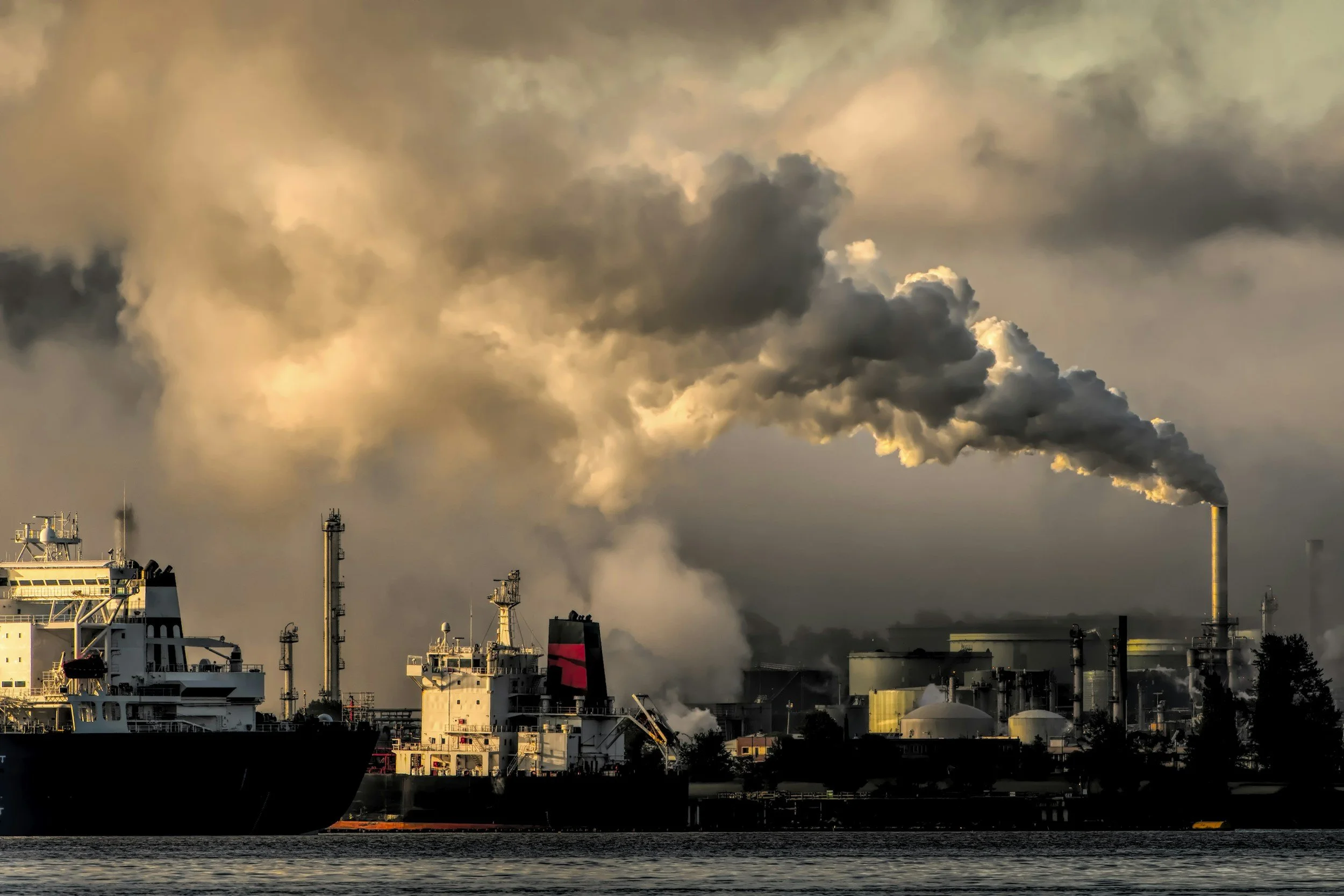
Climate change policies are leading to reduced allowances for carbon emissions across many sectors. The IMO has set a target to reduce worldwide shipping emissions by 40% by 2030. This necessitates new, clean energy sources. The rise of green electricity (solar, wind, nuclear) makes it a prime candidate to replace fossil fuels.
Energy Density And Adoption
Electricity is growing cheaper. However, many sectors have much higher energy density requirements than batteries can provide, particularly when space and weight is a premium, such as in transport. Fuels created using electricity offer densities comparable to fossil fuels, thereby making it much easier to adopt, preserving existing systems.

Energy Density
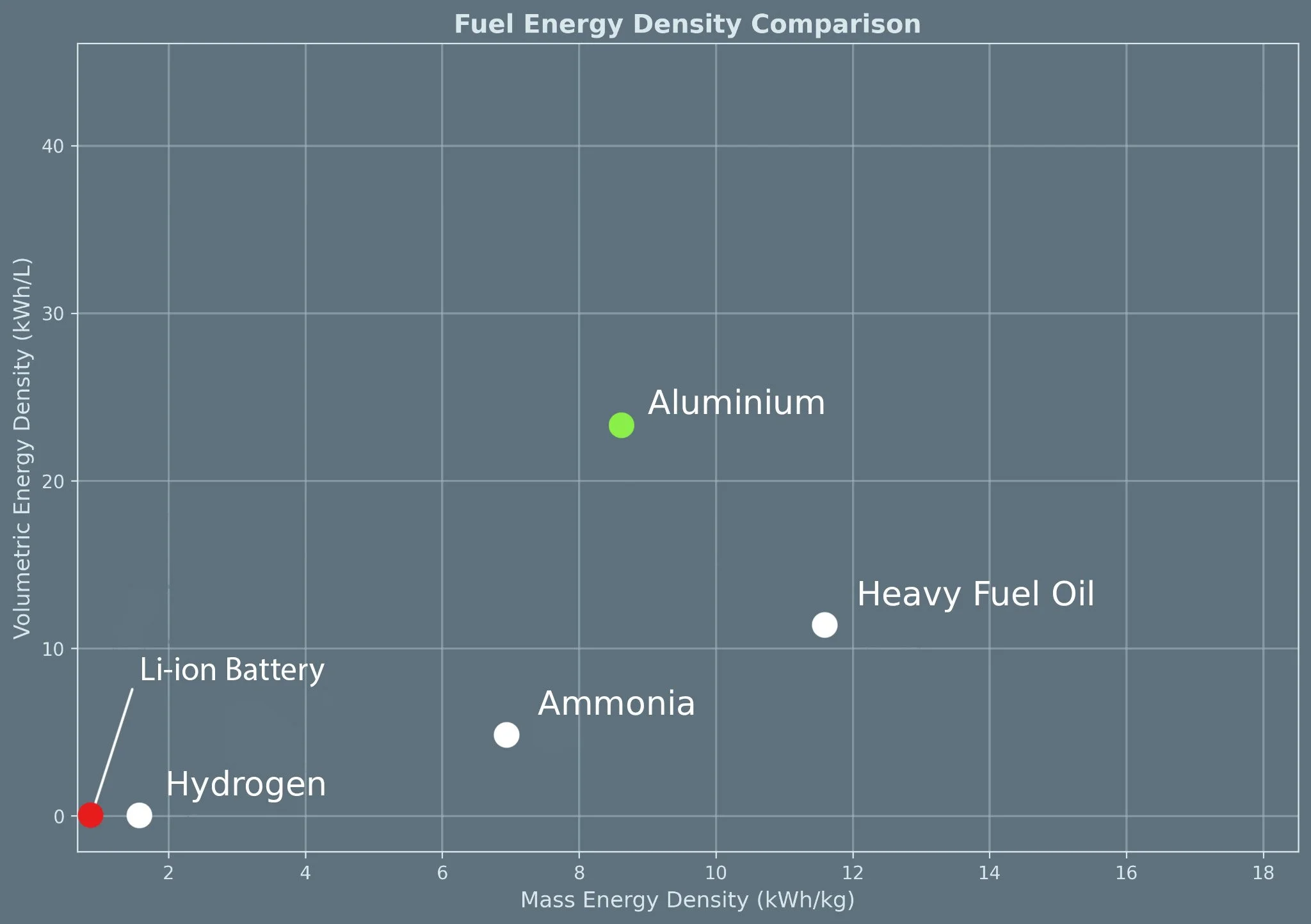
Aluminium boasts superior energy density to its main competitors, hydrogen and ammonia, both in volume and mass. This is a prime component of its suitability, conferring notable benefits.

Less fuel, more range
Aluminium has comparable mass energy density to fossil fuels, allowing ships to travel longer distances than its competitors without compromising as much on carrying capacity.

More Space For The Rest
The much higher volumetric energy density also leaves much more room on the vessel. This is particularly beneficial for private luxury vessels, such as yachts and cruise ships, where the extra space can be very valuable.
Chemistry
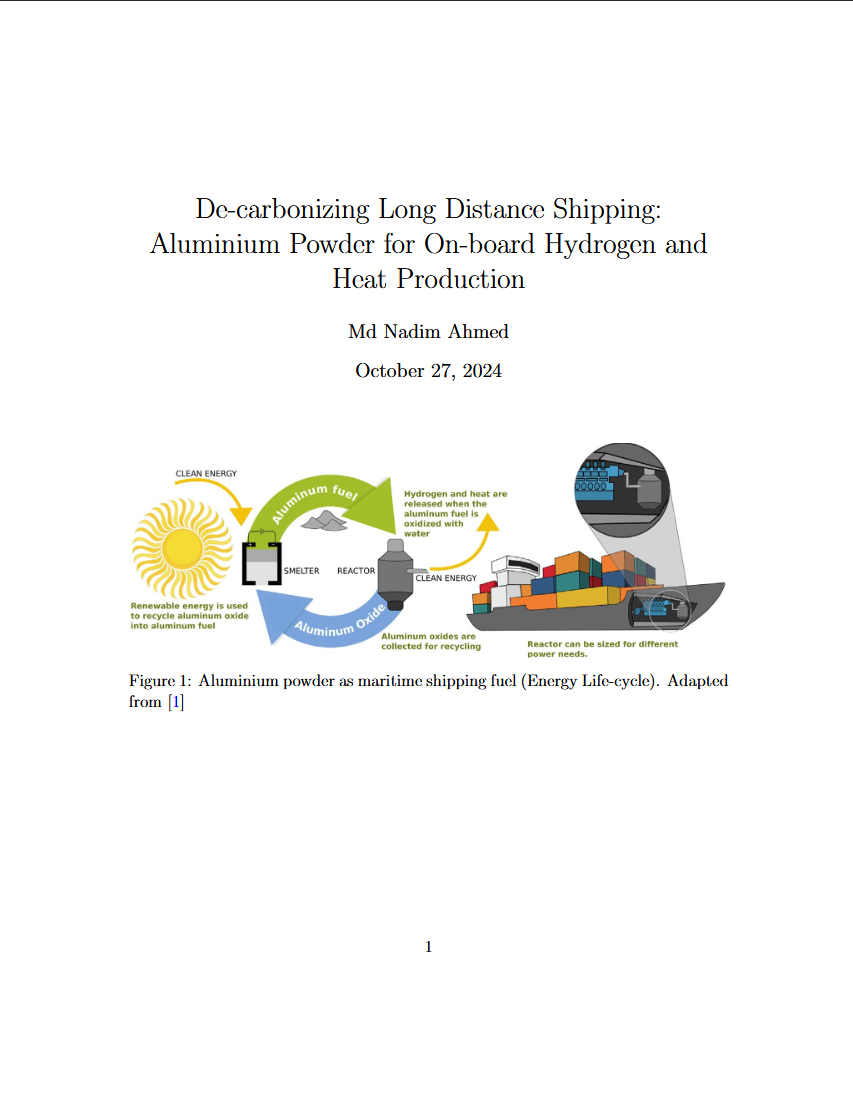
Using Aluminium Powder as fuel generates energy twice: once while burning the fuel itself, and again when burning its byproduct. The result is a clean, carbon-free energy source.
Stage 1 takes Aluminium powder and burns it with water to produce heat (used to power the vessel) and chemical byproducts: Aluminium Oxide and Hydrogen.
NOTE: None of these byproducts are emitted as exhaust.
Stage 2 takes the hydrogen from Stage 1 and burns it with oxygen to produce more heat (used to power the vessel) and steam.

Green And Recyclable
The Aluminium fuel can be re-obtained from its byproduct Aluminium Oxide using standard industry techniques. This takes it from being a mineral source needing constant mining, to an energy carrier that takes advantage of our robust electrical power.
Aluminium Oxide is processed back into Aluminium using efficient and reliable industrial methods using carbon-free energy.
Aluminium is burned as fuel in the vessel, and the Aluminium Oxide produced is carried to port instead of polluting the environment.
Ease-of-Adoption
Beyond energy density, aluminium has several benefits over its competitors that make it easier to adopt.
Aluminium
Easy to store, no special systems required

Aluminium can be stored at room temperature, without need for complex storage requirements or delicate monitoring on every vessel.
Not volatile at room temperature, safe to carry
Solid fuel, can be transported to any port by truck without special permission or infrastructure
Competitors
As a solid fuel, Aluminium powder is easily transported by vehicle to any port that would like to adopt it, using the existing infrastructure. No special development (such as pipelines or specialized transport) is required.

Hydrogen requires complex systems for extremely low temperature or high-pressure storage
Ammonia is highly volatile and needs to be kept dry, difficult to carry and unpleasant to work with
Liquid fuels and gasses require special permits or development of extensive pipeline infrastructure
Hydrogen notoriously is difficult to store, requiring costly components such as heavy canisters, cryogenic temperatures, or extreme pressures.
Ammonia can be quite reactive, raising safety concerns. It is also unpleasant to work with due to its odor, and may affect the appeal of a vessel where a high-quality experience is desired by customers.
Liquid and Gas fuels often require the construction of long pipelines from production to point-of-service, which is a notable barrier to entry, especially before the volume of users becomes high enough. The bet is riskier, longer-term, and requires special government approval.

Development Timeline
2020s
Research and Development Phase
A multi-stage project that develops the idea more robustly, with:
Preliminary research
Lab experiments
Engine Prototype development
During the entire process, there will be constant industry consultation to guide development before the final thesis is made.
2030s

Yacht Clubs and Enthusiasts
The technology first penetrates the private sector through high-income elites. Yacht clubs and artisanal, bespoke manufacturers would be leading the charge. This is due to it being a premium market: high margins and room for experimental design. It serves as both a proof-of-concept for the technology, and as a way to gather real-world test data for refinement. It is an attractive option due to the uniqueness of the technology, its social power as green tech, and the prestige of early adoption
2040s

Arctic Cruising
Eco-tourism becomes more viable, as cruise liners don’t emit greenhouse gases. The high range granted by Aluminium allows ships to tour the Arctic on clean, renewable energy. This increases Arctic throughput, and indicates:
The viability of Aluminium fuel on large ocean vessels
Aluminium fuel’s allowance for long ranges
The viability of shifting arctic shipping lanes to clean fuel
2050s

IMO Certification
By this point, the technology will be well-proven, and IMO certification will open it up for use by the enter shipping industry. High carbon taxes will make Aluminium powder a lucrative option, and large shipping companies will heavily invest in the technology. Aluminium as a clean, recyclable, and efficient fuel source will become entrenched as a key part of the world economy.
Get Ahead of the Curve!
If this project interests you or you have questions, please feel free to reach out using this Expression of Interest form.